
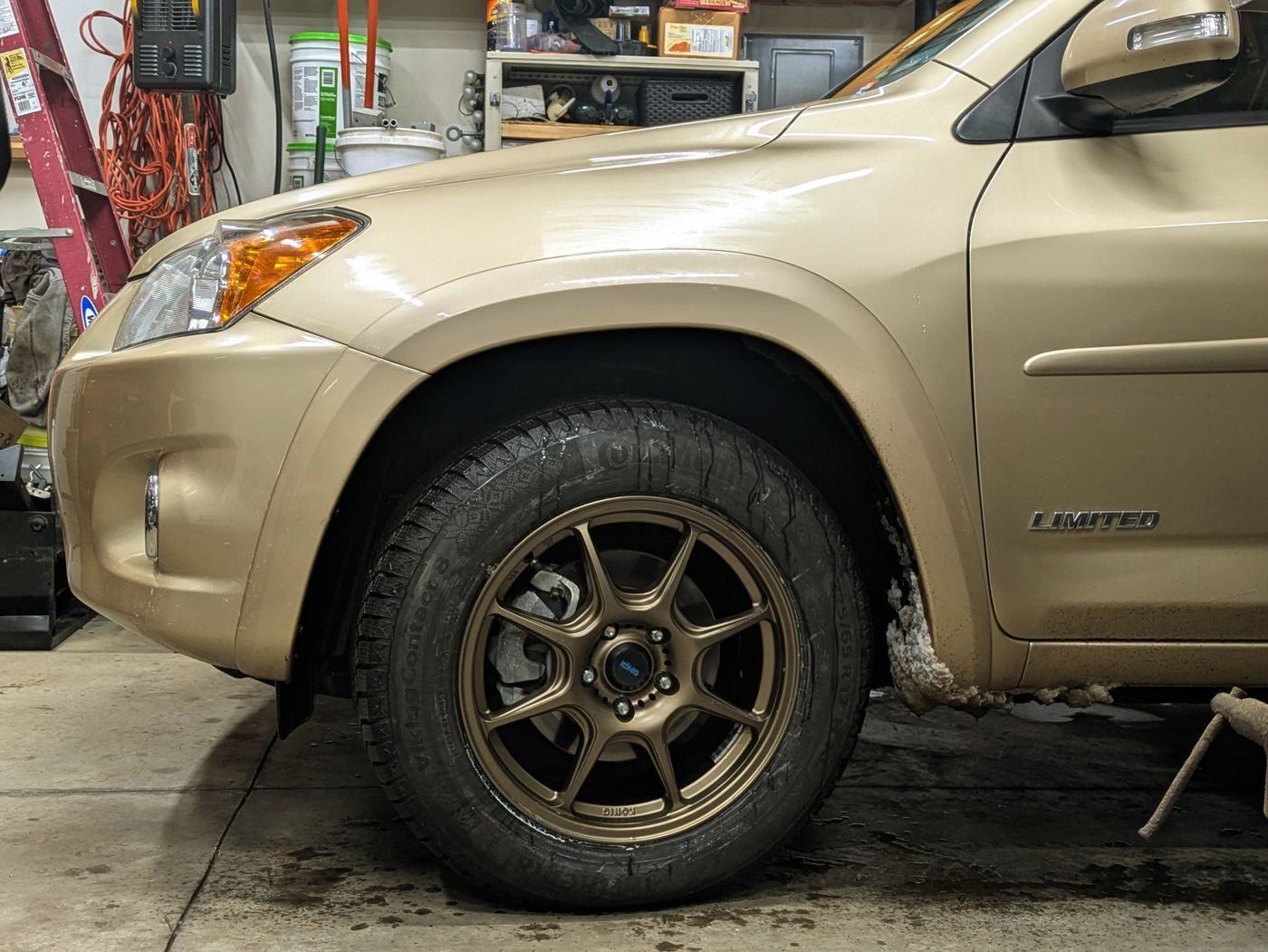
The short answer
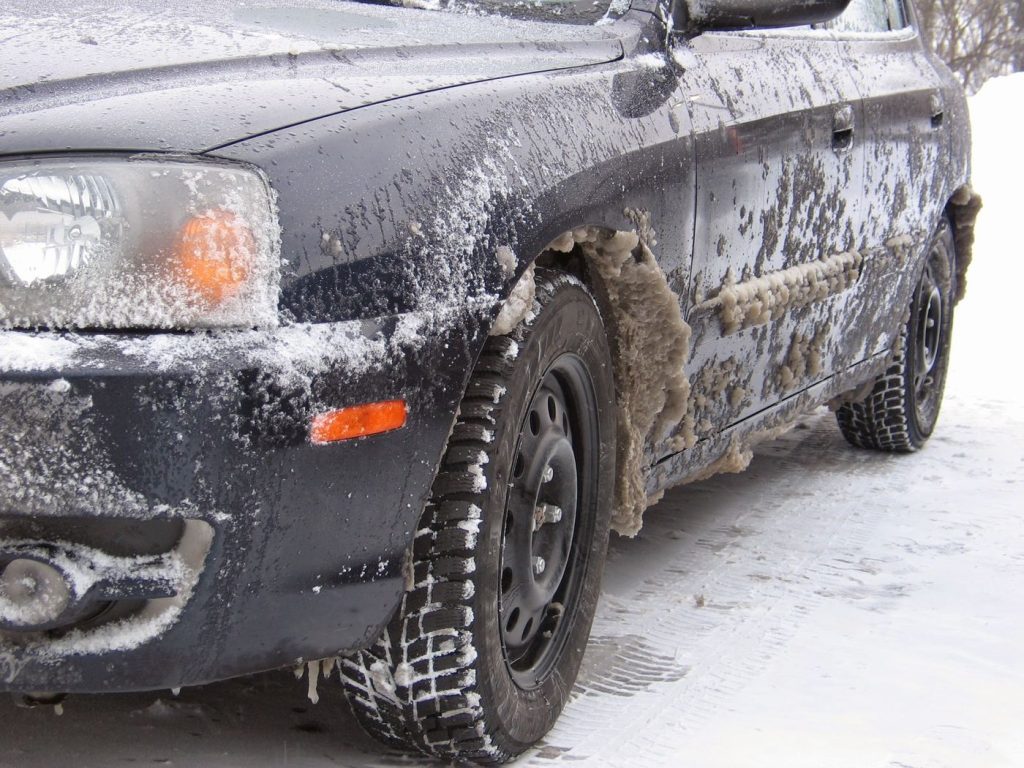
Yes, if you can afford them. If you spend any substantial time driving on slippery roads, winter tires are one of the biggest-impact, highest-ROI safety upgrades you can buy. When you start seeing cars in the ditch, or struggling to start or stop, you just roll on like you’ve got a cheat code on.
How winter tires work
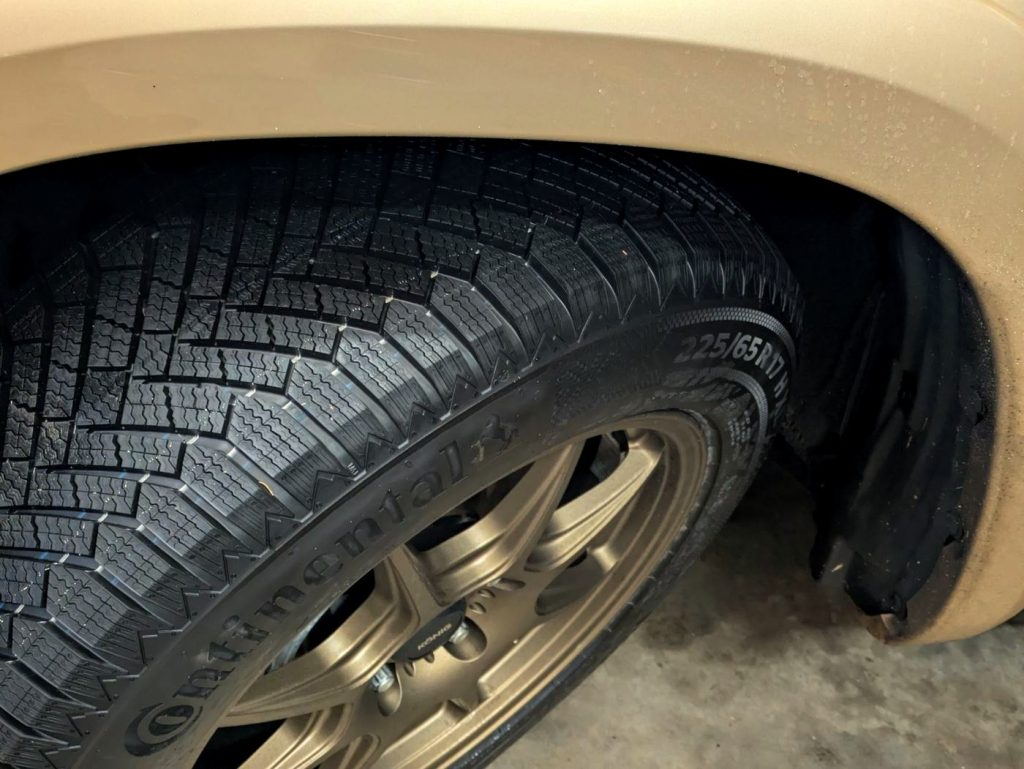
Winter tires use rubber compounds that stay softer in cold temperatures for better traction. Deep treads help when you get into deeper snow. And siping (lots of small slits) improves traction on snow and ice.
ROI Factors
Of course, your own ROI (return on investment) and feasibility will vary based on circumstances. Some factors to consider include:
- Cost (varies widely by wheel and tire size)
- Your budget
- Your expected slippery driving mileage
- Your flexibility to just not drive on the worst winter condition days (non-negotiable commute, work travel)
- Your climate and projected season span for slippery road conditions (spans may be shortening broadly with warming trends)
- Your local municipal road-treatment handling (good plowing/salting coverage, or not)
- Your confidence in driving skill and risk level (experienced winter-conditions driver, new driver, or just new to slippery roads)
Rough cost: For a set of tires and wheels you could get in under $1000 for the smallest sizes. Maybe $1000-$1500 for middle sizes, and up to $2500+ for larger sizes, low-profile, or specialty tires.
Cost/value consideration: you’ll be spreading wear and mileage across another set of tires, so you can figure your cost timeline is longer across those 8 tires vs 4. I.e. you’re not doubling your tire cost per mileage basis, but rather front-loading your expense spread across roughly twice the term.
My Experience
I’ve been driving in Wisconsin and Minnesota winters for 30+ years and since I could afford it, have always had at least one of our vehicles set up with winter tires. There hasn’t been a winter where I wasn’t glad I had them for icy stretches and blizzards in regular daily driving, or for spontaneous slippery conditions that can pop up on road trips.
In three decades of wintry trips, commutes, plowing through deep snow, glare ice, heavy blizzards… I’ve never gotten stuck or slid off the road once with winter tires on. It’s always hard to assess the value of circumstances avoided, but if the winter tires helped me and my family avoid one bad accident or injury in all those years, the investment was worth it.
Recommended Winter Tires
I ran Nokian Hakkapeliittas on a little front-wheel-drive car for 20 years - they’re the best I’ve had.
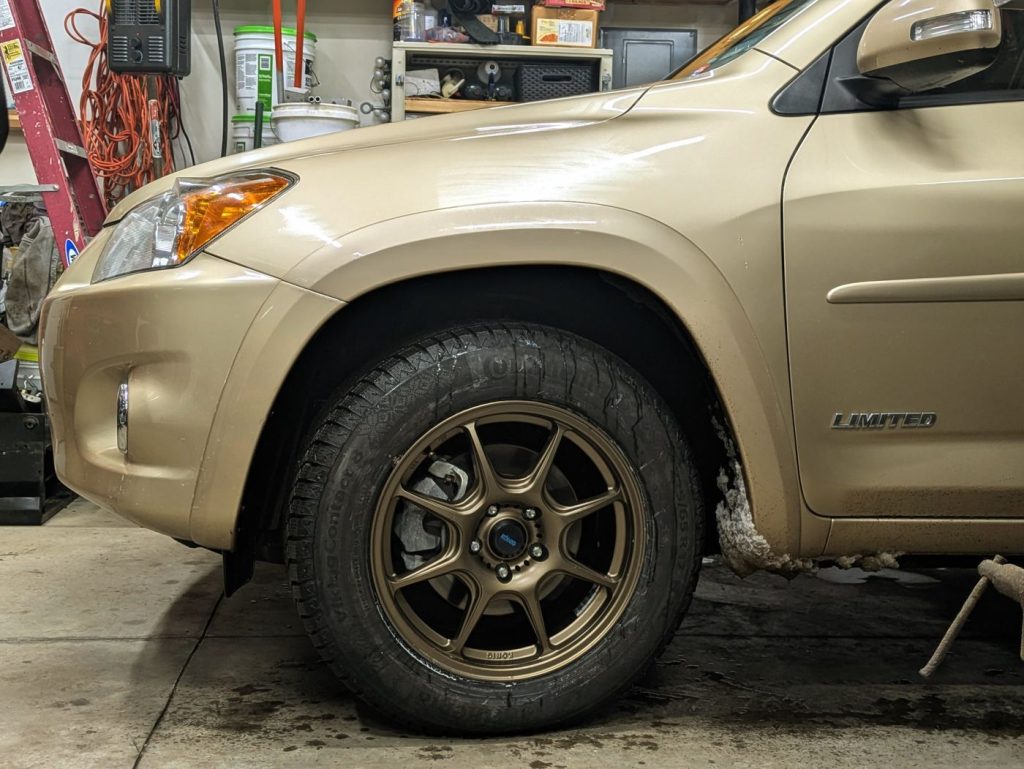
Bridgestone Blizzaks were also very good on another small front-wheel-drive car I had for a few years. And I currently have Continental VikingContact 8s on a small 4-wheel-drive SUV. Just one winter, so I can’t assess yet how they hold up, but so far they seem to be as good as any I’ve had. Combined with any 4WD/AWD, winter tires make a very capable combo for slippery conditions.
Those are the only winter tires I can review from personal experience. I’ve seen all three reviewed well, based on research and reading I’ve done when I bought them.
Here’s a reputable source, Tyre Reviews on YouTube, with their 2026/27 season winter tire comparison review. Their testing includes Blizzaks, but not my other two recs here. Goodyear UltraGrip Performance 3 comes up top in their review. Blizzaks notch 5th place, but still good results, with the top 5 all performing well, and Blizzaks come up #1 in their value rating.
TireRack is another useful source I’ve relied on for tire reviews and data. Their recent Best New Winter Tires for 2026 review here covers three new model additions to the winter tire market. All three come up basically as their new top three performing winter tires: Michelin X-Ice Snow+, Bridgestone Blizzak Icepeak, and Continental VikingContact 8. Looks like this new generation has raised the bar on all fronts: winter conditions, dry roads, and wear life performance.
Purchasing
Buy tires in full sets of four if possible. Mismatched traction front to back can cause unsafe braking dynamics or spinouts.
I recommend buying a dedicated set of wheels - basic steel or budget alloy wheels can do the job fine for winters. The cost savings vs twice-a-year mount & balance costs can more than offset the wheel cost pretty quickly. This also makes seasonal swaps potentially a quick DIY wheel change.
Note, if your vehicle has TPMS (tire pressure monitoring) sensors, you’ll need to get a second set installed on the winter wheels to keep the system up and running. Then learn how to reset/reconnect them on tire swaps, or stop in at a shop to run the reconnection process for you (some vehicles you can DIY, others may need diagnostic equipment). You can also skip this for a little cost savings and just monitor your tire pressure yourself (the old-fashioned way is fine sometimes;).
Swap schedule
- I usually just think about swapping in the fall once daytime temperatures stay below about 40-50°F. Ideally just before you get your first slippery road conditions.
- Then take them off in spring once temperatures are generally above freezing and you’re not expecting any more slippery roads. Soft winter rubber wears a little faster and can handle a little looser on warm pavement.
- It won’t hurt to err on the side of getting them on early or keeping them on a little later. A handful of days running your winter tires in warmer temperatures isn’t going to substantially hurt your tires. Think a little faster wear, not necessarily damaging - you could safely run them all summer if you wanted to. In some places, you can easily vacillate in fall and spring between well above 50°F daytime temps and still see snow storms come around.
Other winter tire notes
- Mark each tire’s position when you swap so you can rotate them properly next season
- get a rubber/tire marking crayon
- I mark mine on the inside sidewall with the position and winter years they were at that position: FL/FR/RL/RR and 25-26, for example. You can also just leave out the year if you’re confident you’ll remember what you meant with just the position label meaning where it came off (and scrub out last year’s mark if it’s still visible, if it hasn’t fully worn off).
- Multiple rotation patterns are fine, just pick one that’s compatible with your number of tires and any directional considerations, and stick with it.
- For service life considerations, you may want to plan to retire winter tires from vital winter duty around half tread (about 6/32″). They can start to lose their performance advantage as the tread wears down. You could still use them up by running them longer into warm season, or even just keep them on to use them up that last summer and fall before replacing them.
- Storage conditions: ideally where it’s not too hot, dry, and out of sunlight. Furnaces and electric motors can also give off ozone that breaks down rubber.
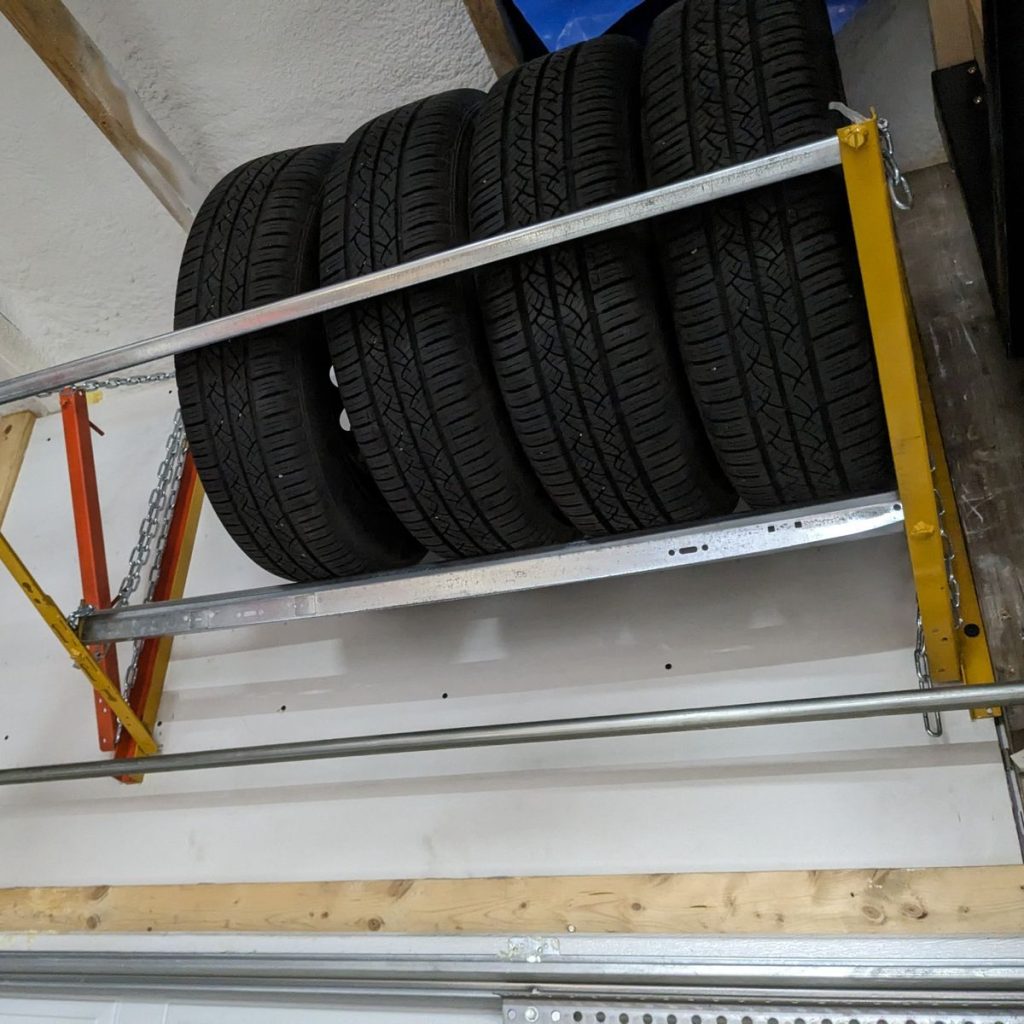
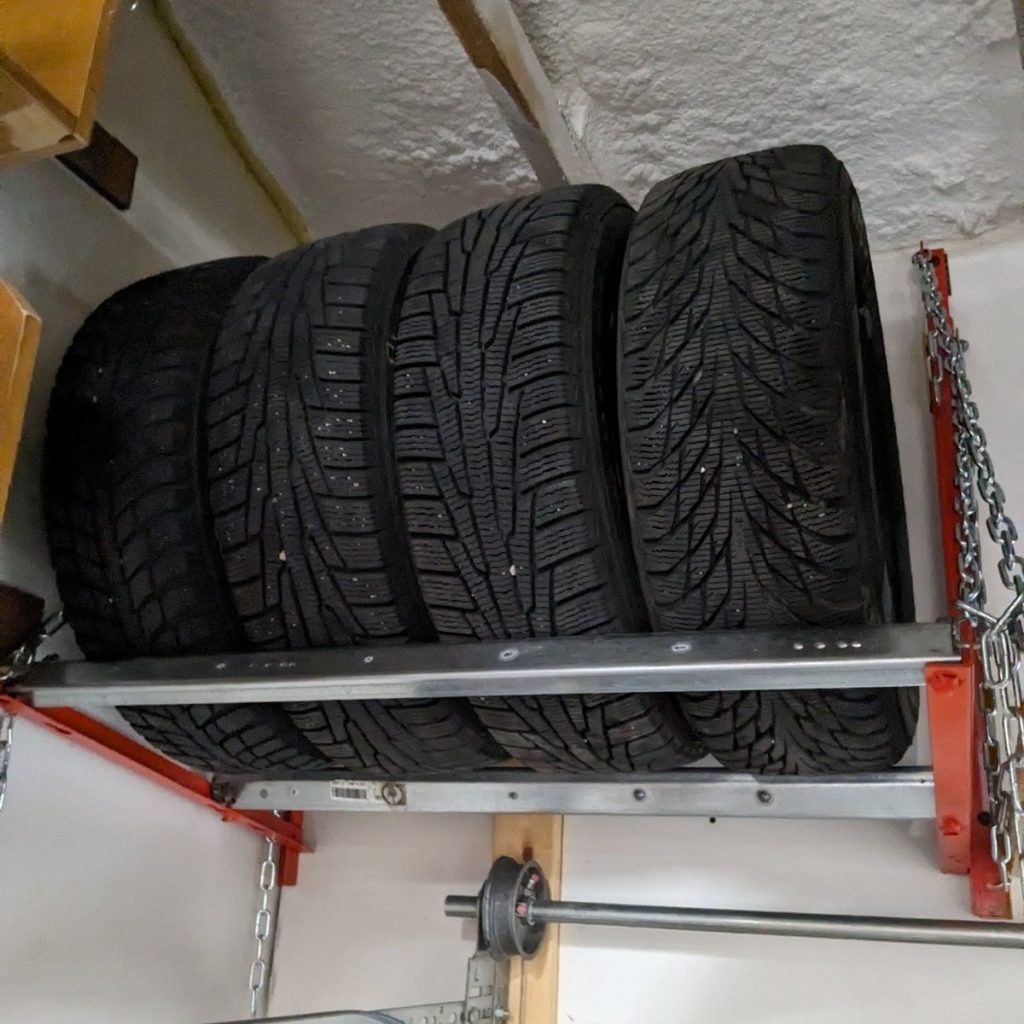
- Our off-season sets live on folding wall racks that I built and mounted above the garage doors. Keeps tires up off the floor and out of more valuable spaces. Reach out if you need some racks built for your application!
What about all-terrain (AT) tires?
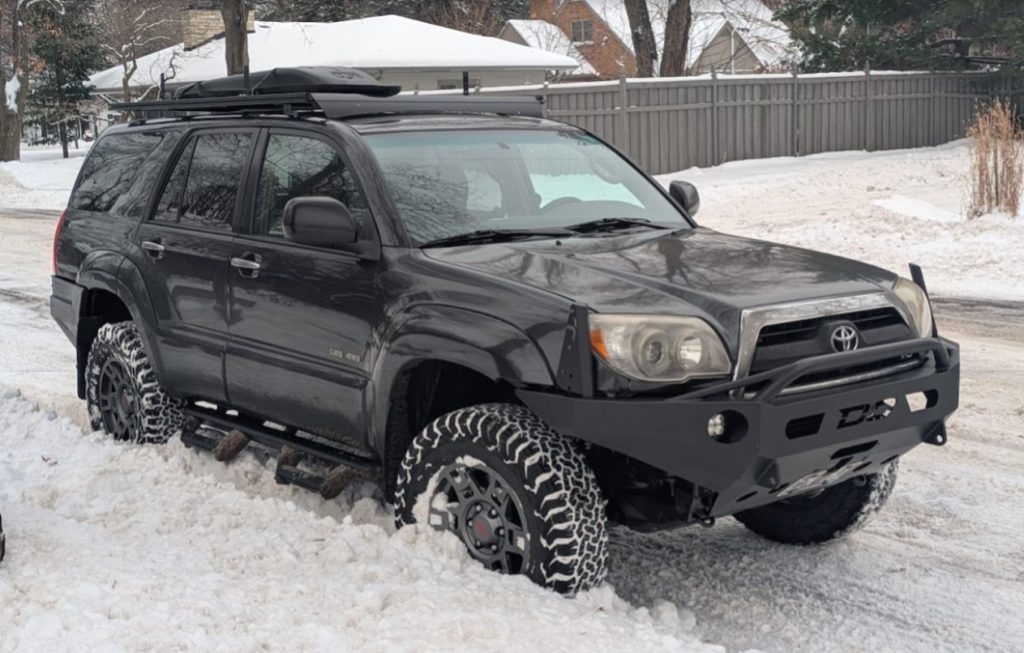
I’ve got BFGoodrich KO2 all-terrains on my 4Runner year-round, and I’ve chosen not to put winter tires on it. The KO2s do have the mountain-snowflake rating, so they meet some objective measures better than regular all-seasons, but still fall short of a dedicated winter tire. With 4WD and high clearance, these AT tires have handled everything I’ve thrown at them through Minnesota winters. I also have the other vehicle with winter tires that can handle a family road trip, or if glare ice is a primary consideration for any given trip. All things considered, the ROI hasn’t stacked up for me to justify the cost of a dedicated set of winter tires on this vehicle. You’ll need to weigh all of your unique situational factors to assess your own picture.
Some things to consider with AT tires:
- 4WD/AWD helps you go, not stop. Emergency braking and steering mainly rely on tire traction, so winter tires are generally the superior safety upgrade, and still very much worthwhile even if you have 4WD/AWD.
- Deep snow and ice are different problems. Clearance, weight, and deeper tread of an AT tire may be enough to hold their own in deep or unplowed snow conditions. But on glare ice, the softer rubber and tread siping of a winter tire are advantages that are harder to match.
- Check for the mountain/snowflake symbol. The KO2 has it - which is part of why it does well enough in winter - but not every all-terrain does. “M+S” alone does not mean snow/winter-rated.
- All-weather tires are a middle option. Year-round tires that carry the snowflake symbol (like Nokian WR series or Michelin CrossClimate) are another reasonable compromise solution if you won’t run two sets.
Here’s a recent AT tires snow test on the Tyre Reviews YouTube channel. (spoiler alert, Tyre Reviews recommendations in order of best snow performance, but all four with good performance: Pirelli Scorpion XTM AT, Goodyear Wrangler DuraTrac RT, Nokian Outpost nAT, BFGoodrich KO3)
A rough rule of thumb: snowflake-rated all-terrains or all-weathers on a 4WD/AWD vehicle, with an experienced driver who can skip the worst days, might add up to a good enough threshold. A daily commute, a newer winter driver, or a lower-clearance front-wheel-drive car would tip the balance toward winter tires in my assessment.